
Curaçao, a beautiful Caribbean island known for its turquoise waters, white sandy beaches, and vibrant culture, is not untouched by the global phenomenon of climate change. While headlines around climate change often focus on negative consequences, there is also a positive side: awareness and proactive measures can help Curaçao continue to thrive while protecting its natural environment. In this article, we explore how climate change is influencing Curaçao, the challenges and opportunities it brings, and what the island is doing to adapt and innovate.
Understanding Climate Change in the Caribbean Context
Climate change refers to long-term alterations in temperature, precipitation patterns, and sea levels due to human activity and natural processes. The Caribbean region, including Curaçao, is especially sensitive to climate variations because of its small landmass, limited freshwater resources, and dependence on tourism and marine ecosystems.
In Curaçao, scientists have observed slight increases in average temperatures over the past few decades, as well as occasional changes in rainfall patterns. However, the island’s geography and consistent trade winds have helped buffer some of the more extreme weather effects experienced by other Caribbean islands. This creates a unique situation where Curaçao can lead the way in proactive adaptation and sustainable solutions.
Rising Temperatures: A Closer Look
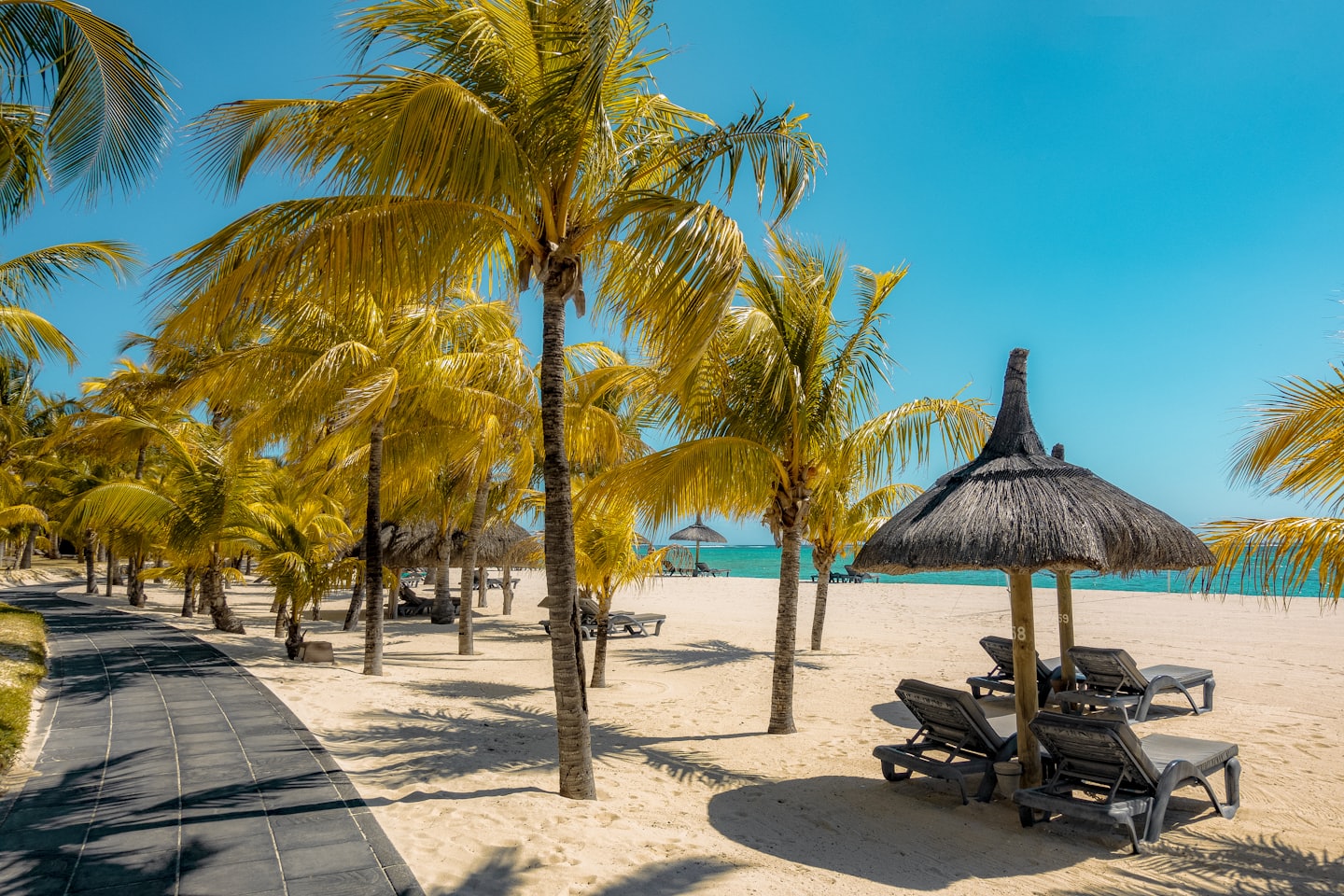
Average temperatures in Curaçao have been gradually rising, but the island still enjoys a warm and sunny climate year-round, making it a prime destination for tourists. While hotter days may become more frequent, these conditions also present opportunities for energy efficiency innovations. For instance, solar energy becomes increasingly viable as a renewable source on the island. Many hotels, resorts, and homes have already started installing solar panels to harness the abundant sunlight, reducing dependence on fossil fuels and lowering energy costs.
This transition to renewable energy not only supports a greener Curaçao but also positions the island as a sustainable tourism leader in the Caribbean. Travelers can enjoy their holidays knowing that the local economy is embracing environmentally friendly solutions that protect the natural beauty of the island.
Rainfall Patterns and Water Resources
Curaçao experiences a semi-arid climate with a distinct wet and dry season. Climate change has influenced rainfall patterns, with occasional irregular rainfall events. While extreme floods are rare, water conservation remains important for the island’s residents and agriculture.
The positive aspect is that Curaçao has been proactive in water management. Rainwater harvesting systems, improved irrigation techniques, and wastewater treatment initiatives are helping the island make the most of its limited freshwater resources. These strategies are not just responses to climate change—they are long-term solutions that increase sustainability and resilience while ensuring that communities continue to thrive even during dry periods.
Rising Sea Levels and Coastal Management
As a small island, Curaçao is naturally concerned about rising sea levels. Coastal erosion and beach loss can occur if protective measures are not implemented. However, the island has a long history of smart urban planning and coastal management. Coral reefs, mangroves, and seagrass beds act as natural barriers, protecting shorelines from storms and high tides.
Local authorities and environmental organizations are investing in the restoration and preservation of these ecosystems. Not only do these efforts mitigate the effects of sea-level rise, but they also enhance biodiversity and create new opportunities for eco-tourism. Visitors to Curaçao can enjoy snorkeling and diving experiences in healthy coral reefs, knowing that conservation efforts are actively supporting the marine environment.
Tourism and Sustainable Opportunities
Tourism is the lifeblood of Curaçao’s economy, and climate change has encouraged the sector to become more sustainable. Hotels and resorts are increasingly adopting eco-friendly practices, such as energy-efficient lighting, reduced plastic usage, and sustainable food sourcing. These measures not only reduce environmental impact but also attract travelers who prioritize sustainability.
Climate change has also inspired the development of new tourist experiences. Guided tours focused on environmental education, visits to renewable energy projects, and opportunities to participate in coral reef restoration are becoming more popular. This approach transforms potential challenges into unique experiences that benefit both visitors and local communities.
Agriculture and Local Food Production
Curaçao’s semi-arid climate poses challenges for agriculture, but climate-smart farming techniques are helping farmers adapt. Controlled irrigation, drought-resistant crops, and hydroponics are being used to maintain consistent food production despite changing weather conditions.
These innovations support food security while also promoting environmental sustainability. By embracing climate-conscious practices, Curaçao is building a resilient agricultural sector that can serve local needs and reduce reliance on imported goods, further strengthening the island’s economy.
Community Awareness and Education
One of the most positive outcomes of climate change awareness in Curaçao is the increase in community engagement. Schools, universities, and local organizations are educating residents about environmental protection and sustainable living. Initiatives like beach cleanups, tree planting, and public campaigns to reduce energy consumption empower the community to actively participate in shaping a resilient future.
This sense of collective responsibility not only strengthens social cohesion but also ensures that Curaçao remains an attractive and sustainable destination for future generations.
Looking Ahead: Curaçao’s Resilient Future
While climate change presents challenges, Curaçao’s proactive approach demonstrates that resilience and sustainability are achievable. By focusing on renewable energy, water conservation, coastal protection, sustainable tourism, and climate-smart agriculture, the island is turning potential risks into opportunities.
Visitors can enjoy Curaçao’s natural beauty with confidence, knowing that the local community and authorities are committed to protecting the environment. Moreover, these efforts position Curaçao as a leader in climate adaptation in the Caribbean, offering a blueprint for other islands to follow.
The story of Curaçao shows that climate change does not have to be purely negative. With awareness, innovation, and community involvement, it is possible to maintain the island’s vibrant ecosystem, support local livelihoods, and continue to attract travelers seeking sun, sea, and sustainability.
✅ Key Takeaways
- Curaçao’s warm climate and trade winds help buffer some climate impacts.
- Renewable energy and solar initiatives are thriving thanks to rising temperatures.
- Water conservation and smart agriculture techniques ensure sustainable growth.
- Coastal management, coral reef, and mangrove protection mitigate sea-level rise effects.
- Sustainable tourism and eco-friendly practices turn climate challenges into opportunities.
- Community awareness and education strengthen resilience and long-term sustainability.
Curaçao’s proactive and positive approach to climate change demonstrates that adaptation and innovation can secure a bright and sustainable future for the island, its residents, and its visitors.