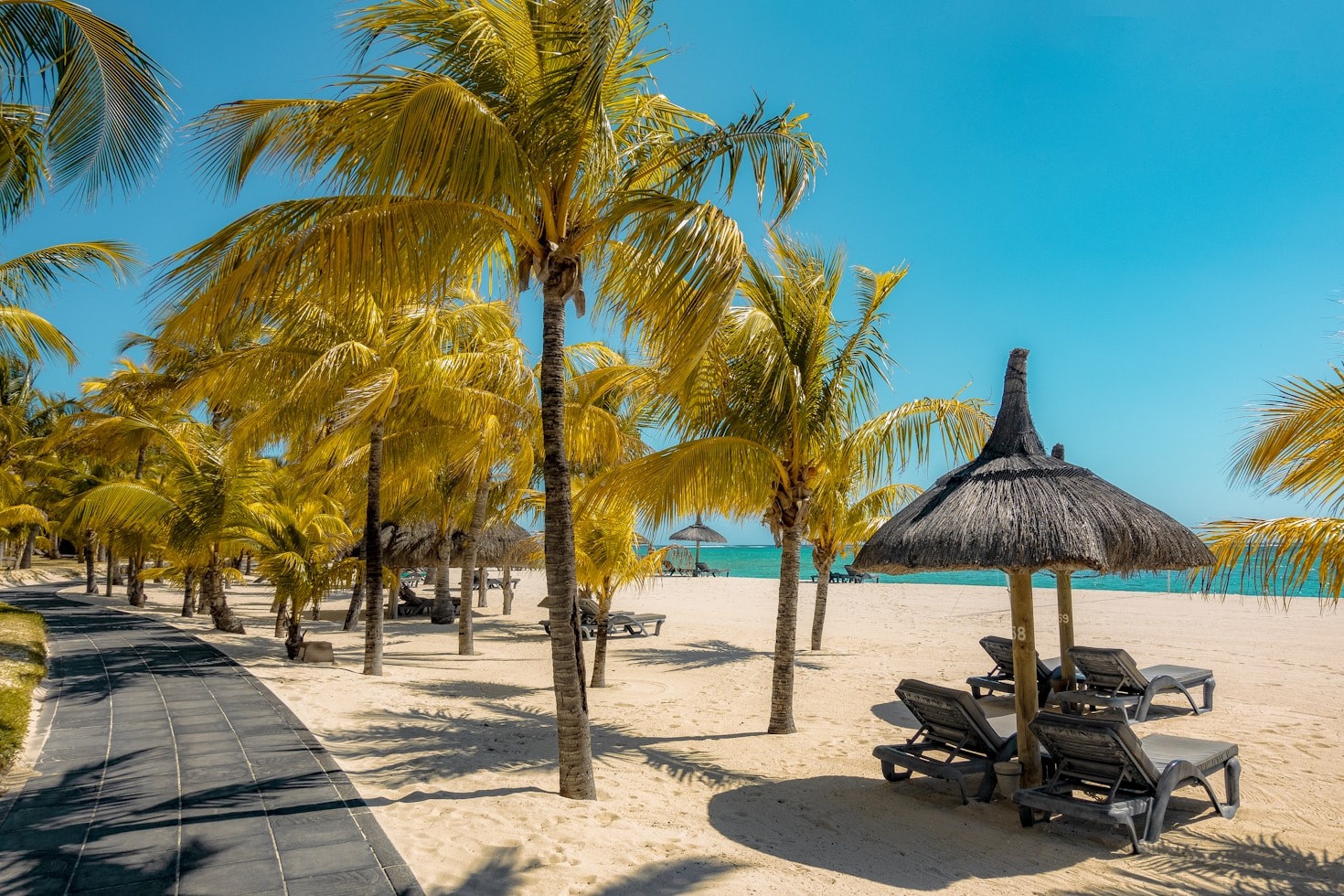
Curaçao, a jewel in the southern Caribbean, is famous for its year-round sunshine, turquoise waters, and vibrant culture. Choosing the right time to visit can make a big difference in your experience, especially if you’re planning outdoor activities, beach days, or exploring the island’s hidden gems. In this guide, we’ll break down the best months to visit Curaçao, what to expect from its weather, and tips for getting the most out of your trip.
Understanding Curaçao’s Climate
Curaçao enjoys a tropical semi-arid climate, which means warm temperatures, plenty of sunshine, and relatively low rainfall compared to other Caribbean destinations. The island’s location outside the main hurricane belt makes it a safe option for travelers who want reliable weather year-round.
Average daytime temperatures in Curaçao range from 28°C to 32°C, while evenings remain comfortably warm at around 25–27°C. The island benefits from consistent trade winds, which keep the heat manageable and provide ideal conditions for sailing, kiteboarding, and other water sports.
Curaçao experiences two main seasons: a dry season and a wetter season, though “wet” is relative. Rainfall is usually short-lived, often occurring in brief showers rather than prolonged storms.
High Season: December to April
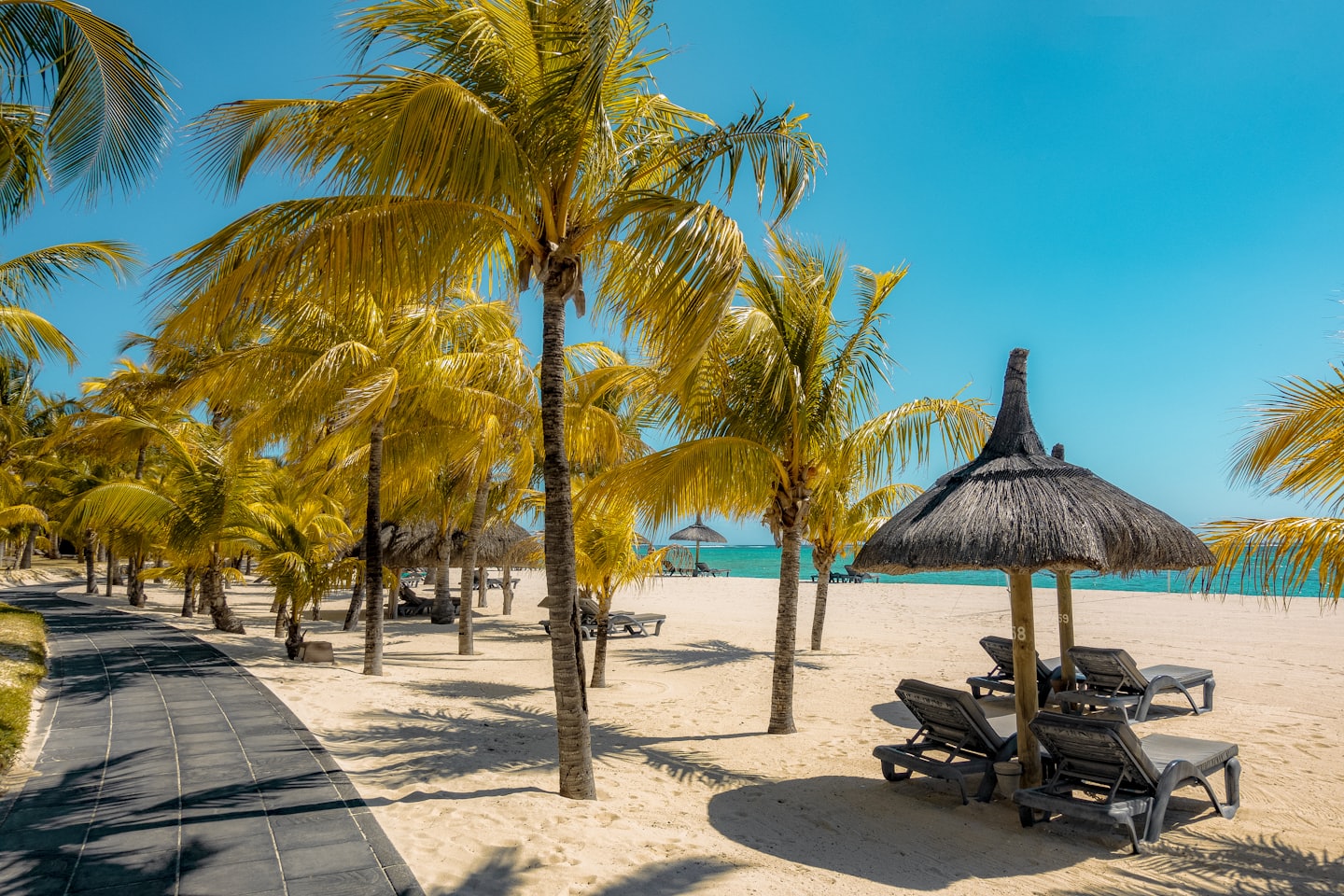
If you want perfect beach weather, the high season from December to April is the most popular time to visit Curaçao. During these months, rainfall is minimal, skies are mostly sunny, and temperatures are at their most pleasant.
Pros of visiting in high season:
- Consistently sunny days ideal for beach trips and water activities.
- Calm seas for diving, snorkeling, and boating.
- Comfortable temperatures, rarely exceeding 32°C.
Cons of visiting in high season:
- Higher accommodation prices due to peak tourist demand.
- Popular attractions and beaches can be crowded.
- Early booking is recommended to secure hotels and flights.
Visiting during this period is perfect for those who want to experience Curaçao at its sunniest and driest, making it ideal for weddings, family vacations, or luxury escapes.
Shoulder Season: May to September
The months from May to September fall into the shoulder season. This period sees slightly warmer temperatures and occasional short showers, but it’s still an excellent time to visit.
Pros of visiting in shoulder season:
- Fewer crowds compared to high season.
- Lower prices for hotels, flights, and activities.
- Great conditions for diving and snorkeling as underwater visibility is high.
Cons:
- Slightly higher humidity, especially in the afternoon.
- Brief tropical showers, usually not disrupting outdoor plans.
Shoulder season is ideal for travelers who want to enjoy Curaçao more quietly and affordably without sacrificing good weather. The island is still sunny most days, and rain often passes quickly.
Rainy Season: October to December
Curaçao’s rainy season generally runs from October to December, but it’s important to note that this doesn’t mean nonstop rain. Showers are usually short and localized, often occurring in the evening or at night.
Pros of visiting in rainy season:
- Lower hotel rates and flight prices.
- Lush green landscapes following brief rain showers.
- Fewer tourists, making for a more tranquil experience.
Cons:
- Higher chance of rain, especially in November.
- Some outdoor activities may need flexibility.
The rainy season can actually be a great time to visit if you’re looking for budget-friendly travel and don’t mind adjusting plans around short showers.
Special Considerations
Festivals and Events
Curaçao hosts several festivals throughout the year, and timing your visit around them can enhance your experience:
- Carnival (February–March): A colorful celebration with parades, music, and dancing.
- Curaçao North Sea Jazz Festival (October): World-class music in a tropical setting.
Water Activities
- Diving & Snorkeling: Best during high and shoulder seasons, when visibility is highest.
- Sailing & Kiteboarding: Trade winds make all months ideal, but high season offers calmer seas.
Accommodation and Travel Tips
- High season requires early booking to secure the best hotels.
- Shoulder and low seasons often have discounts on resorts and tours.
- Consider staying near Willemstad for nightlife and dining or closer to Mambo Beach for beach-focused trips.
Summary: When is the Best Time to Visit?
- December to April (High Season): Best weather, sunny days, perfect for beach lovers; crowded and pricier.
- May to September (Shoulder Season): Slightly warmer, fewer crowds, affordable; brief showers possible.
- October to December (Rainy Season): Occasional showers, lush landscapes, budget-friendly; less predictable weather.
Overall, Curaçao’s climate is forgiving year-round, meaning there is rarely a “bad time” to visit. Even during the rainy season, showers are usually brief, and sunny days dominate.
Final Tips for Visiting Curaçao
- Pack light, breathable clothing for tropical temperatures.
- Bring sunscreen and a hat—the Caribbean sun is strong all year.
- Plan water activities for mornings when seas are calm and visibility is high.
- Check local weather forecasts on sites like WeatherCuraçao.com to stay updated.
- Be flexible during the rainy season—a brief shower often passes quickly.
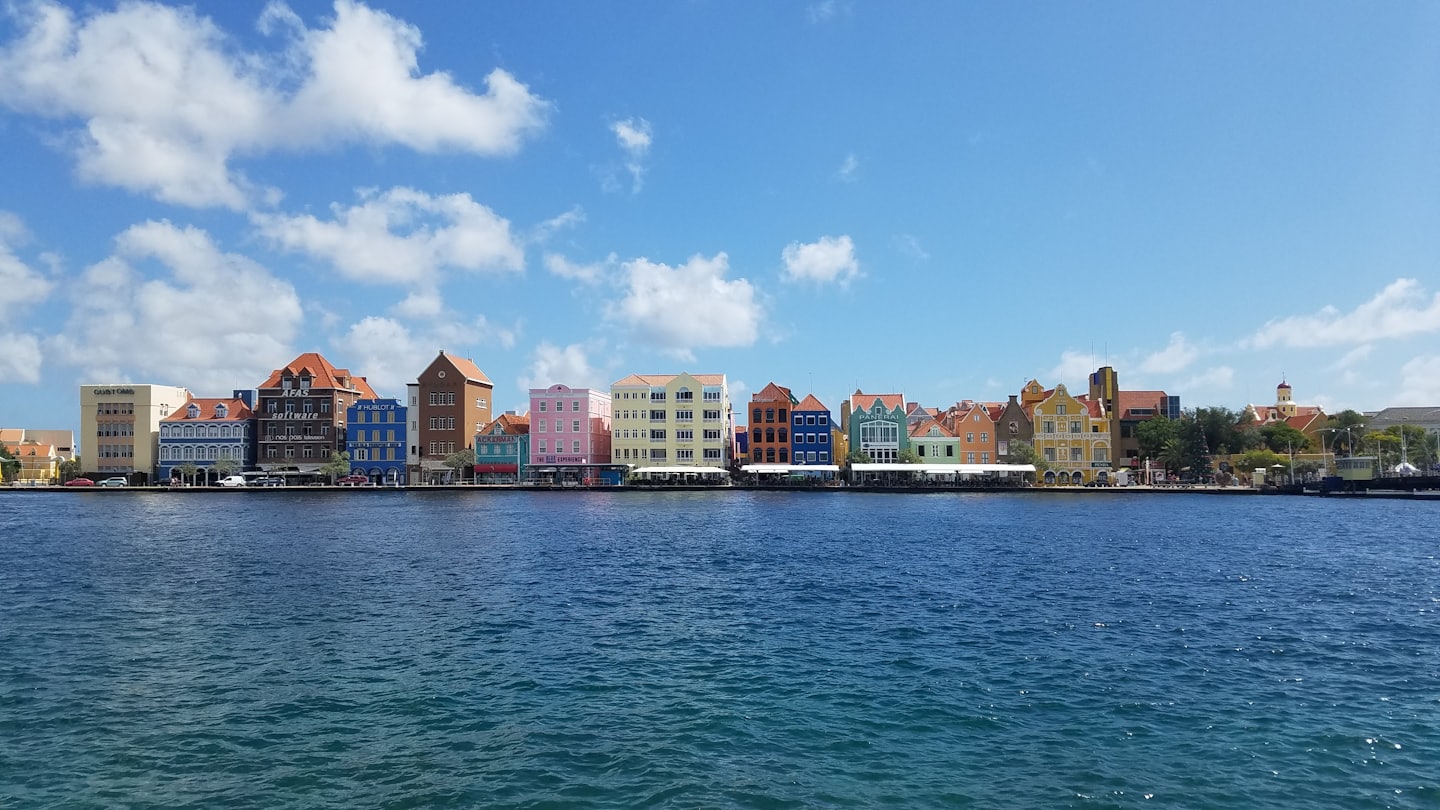
By planning your trip around the island’s climate and seasonal patterns, you can maximize your enjoyment, whether your goal is sunbathing on pristine beaches, exploring Willemstad’s colorful streets, or diving in crystal-clear waters. Curaçao truly offers something for everyone, no matter the season.
Conclusion
Curaçao’s tropical climate and stable weather make it a fantastic destination throughout the year. High season offers predictable sunshine and calm seas, shoulder season provides a quieter, more affordable experience, and the rainy season adds lush landscapes and fewer crowds. By understanding the weather patterns and seasonal highlights, you can choose the best time to visit Curaçao for your personal preferences, ensuring a memorable Caribbean escape.